Skip to content

Month: August 2025

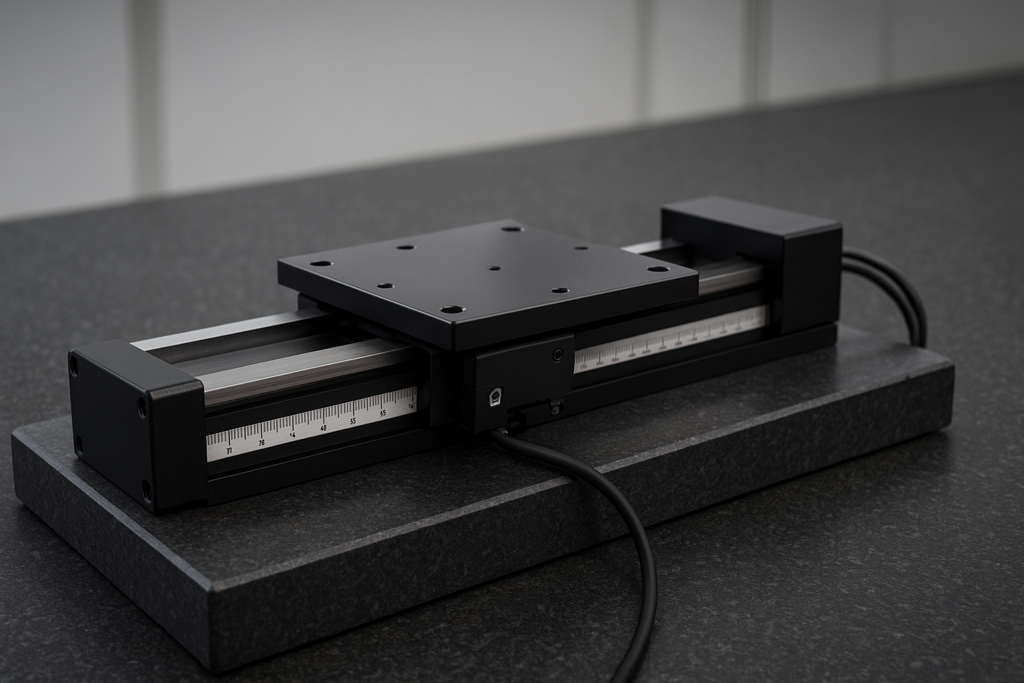
精密線性馬達定位平台特寫 Close-up of precision linear motor stage

Linear Motors vs. Servo Motors – 5 Key Selection Guides

Which is more accurate, a linear motor or a servo motor? This article compares resolution, repeatability, absolute positioning, and dynamic tracking from an engineering practice perspective, and includes parameter tables and selection procedures. It covers everything from screw lead and encoder conversion to thermal expansion.
Read more
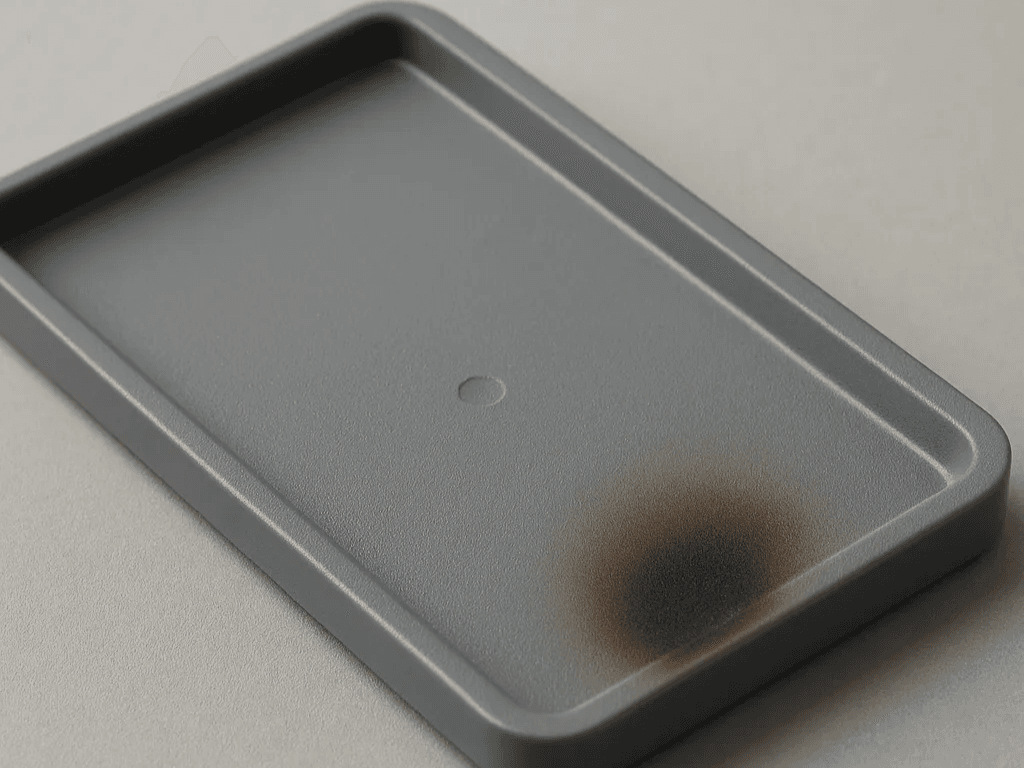
塑膠件端部焦痕特寫 Burn mark on molded plastic part

Multi-stage firing strategy – Reduces short shots and burnout

Multi-stage injection speed is key to reducing short shots and burning. This article teaches you to first find a baseline using a single-stage speed, then set it up in three stages: "slow start, fast run, and final deceleration," and optimize the filling speed using screw position switching and end exhaust.
Read more
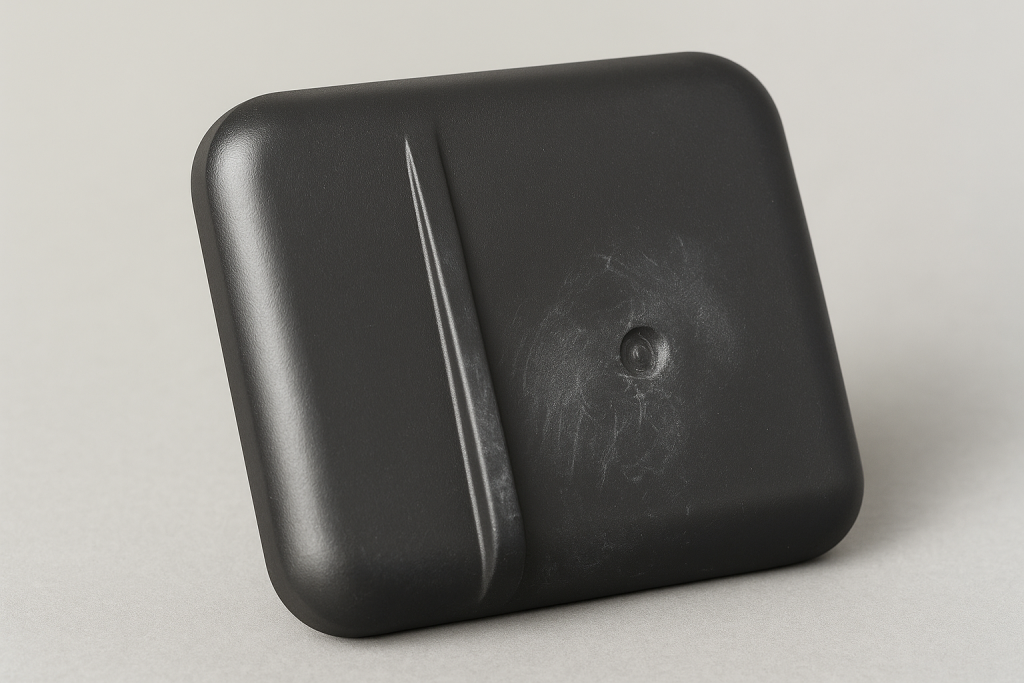
塑膠件飛邊與縮水寫實特寫 Realistic close-up of flash and sink mark on plastic parts

Mold Design – Key Release Factors: Draft Angle and Ejection

The draft angle and ejection design determine the ease of demolding and the appearance quality. This article guides you to quickly select the angle, configure ejection and venting to avoid whitening, tearing, and mold jamming; it also compiles recommended angles for common materials and surface treatments.
Read more
兩個白色塑膠框放在灰色背景,左邊有飛邊缺陷,右邊有明顯縮水凹陷

How to set the pressure holding and position switching? Techniques to avoid shrinkage and flash.

Holding pressure and switching point are crucial to injection molding quality. Switching too early can lead to short shots, while switching too late increases flash and stress. This article analyzes the principles for setting holding pressure, time, and switching point, and provides switching ratios for different plastics.
Read more
釺料膏塗佈不鏽鋼接縫 Brazing paste applied to stainless join

Welding – The best choice for high-precision and dissimilar material joining

Fusion welding is a precision metal joining technique that uses fuel with a melting point above 450°C to flow into the gaps between base materials to complete the joint. Unlike traditional welding, fusing welding does not melt the base material, resulting in minimal heat-affected zone and excellent airtightness. This article explains fusing welding in detail.
Read more