Skip to content

Category: Industrial Knowledge

gan

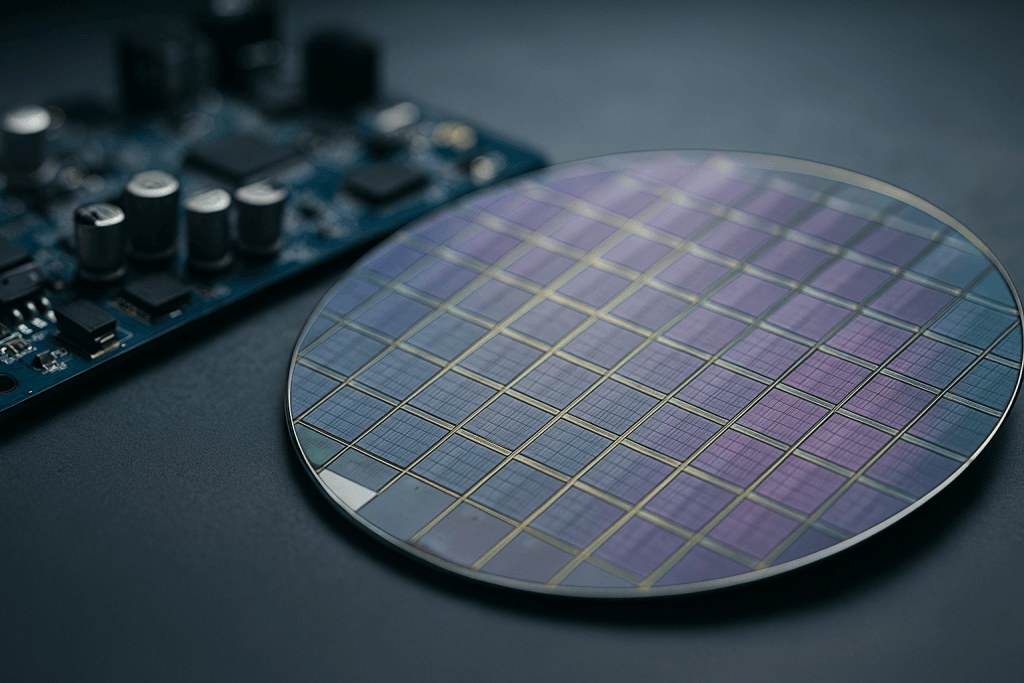
Why has gallium nitride (GaN) become a key material for next-generation power devices?

In recent years, the demand for power efficiency and miniaturization has become increasingly strong in consumer electronics, electric vehicles, and high-frequency communication equipment. While traditional silicon (Si) materials are mature and stable, they are gradually encountering performance limits.
Read more

Why is silicone rubber hailed as the all-purpose adhesive for manufacturing? Master its 3 key properties at a glance.

Silicone rubber, with its ability to stretch at -60°C and maintain stability at 250°C, is known as the "all-purpose adhesive for manufacturing." It is used in various industries, including automotive, electronics, and medical.
Read more

A Comparison of the Principles and Applications of Two Commonly Used Industrial Temperature Measurement Methods: Thermocouples and RTDs

In modern industry, temperature is not merely an environmental indicator, but a core factor in process stability and quality control. For example, in the manufacturing and testing of AI chips, the precision of temperature control directly affects the stability of chip operation.
Read more
High temperature heat pump

High-Temperature Industrial Heat Pumps: A Win-Win Solution for Process Decarbonization and Energy Efficiency

High-Temperature Industrial Heat Pumps (HTHP) utilize two-stage compression and next-generation HFO/HCFO refrigerants to "upgrade" the previously emitted waste heat of 50–90°C to a usable temperature of 120–165°C in the manufacturing process.
Read more
Molybdenum

Molybdenum: A key material for a high-tech industry – is it a high-melting-point metal?

Molybdenum is an indispensable metallic material in high-temperature industrial and semiconductor manufacturing processes. It possesses a high melting point, excellent thermal conductivity, and corrosion resistance, and is widely used in vacuum furnaces, etching machines, and aerospace thermal protection.
Read more
PLC

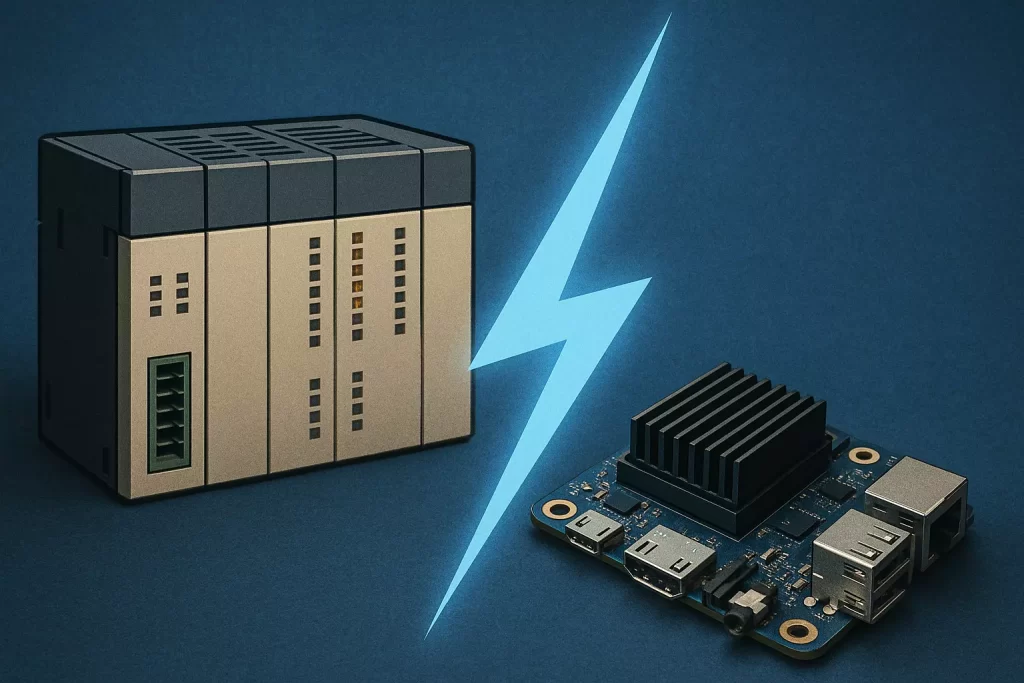
Will PLCs become obsolete? The challenges of AI controllers, Python control, and no-code tools.

PLCs have always been the core of industrial automation, but in an era of rapid rise of AI controllers, Python controls, and No-Code platforms, can PLCs still maintain their dominant position? This article examines this from a technical perspective.
Read more